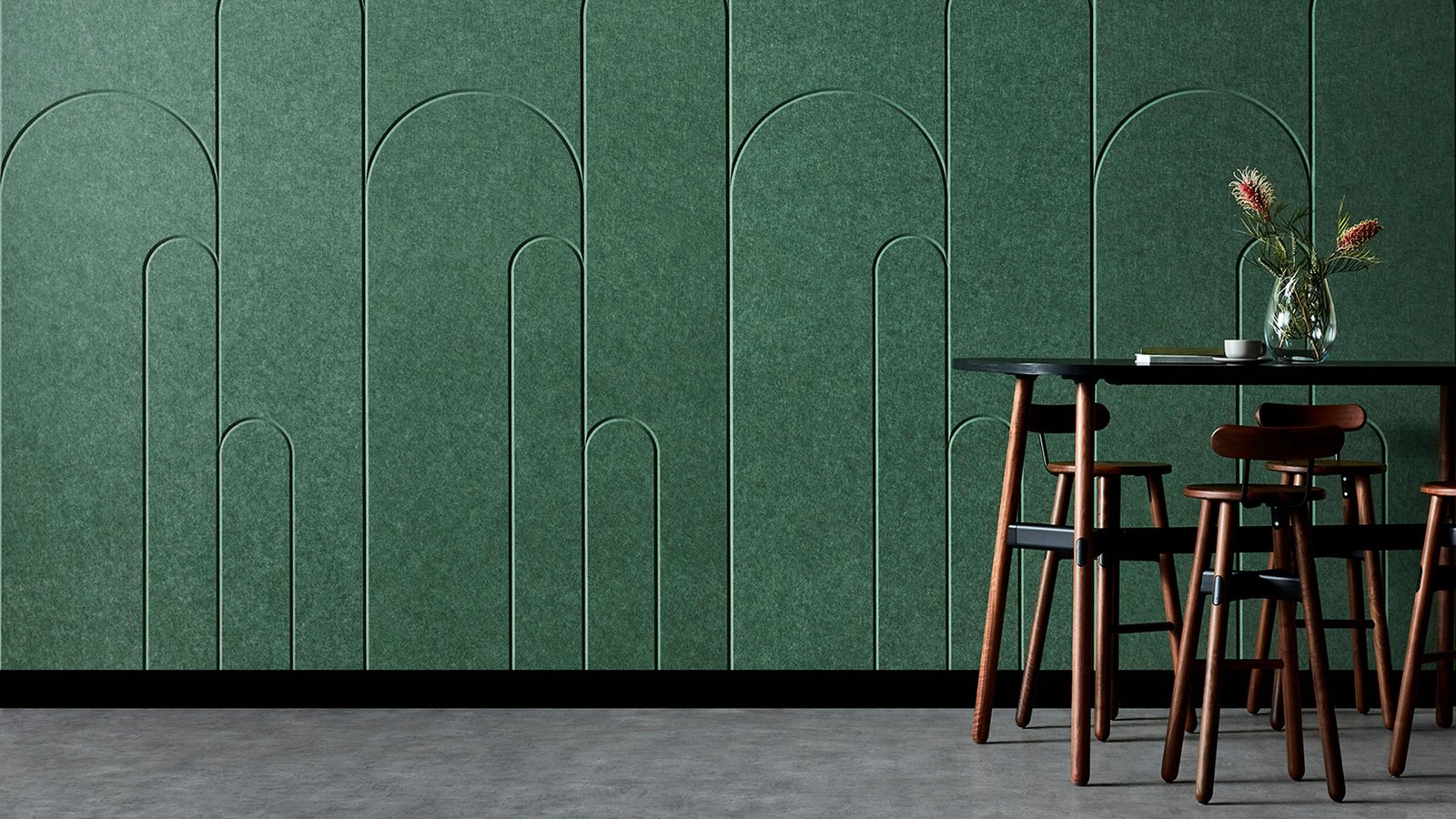
Acoustic Panels

What Are Acoustic Panels and How They Improve Office Spaces in Dubai

In early 2024, I reviewed a newly finished corporate office in Downtown Dubai.
The space was impressive—glass partitions, polished concrete floors, designer desks, and custom lighting. On paper, it looked like a perfect modern workplace.

In reality, it was exhausting.

Employees avoided meeting rooms. Video calls echoed. Conversations carried across departments. One project manager quietly admitted that her team booked calls from the parking area because it was the only quiet place.

This is the uncomfortable truth about many Dubai offices: they are visually premium but acoustically broken.

Noise doesn’t just irritate people. It slows decisions, increases mental fatigue, and quietly damages productivity. And yet, acoustics is often the last thing considered—if it’s considered at all.

That’s where acoustic panels move from being a “design accessory” to becoming essential workplace infrastructure.

This guide explains what acoustic panels actually are, how they work in Dubai’s unique office environments, and how companies working with specialists like Sonas Interiors turn sound control into a competitive advantage.

Executive Summary: What This Guide Will Help You Decide

If you manage, design, or invest in office spaces in Dubai or the UAE, this article will save you from expensive mistakes.

You will learn:

  • What acoustic panels really do (and what they don’t)
  • Why Dubai offices suffer more from acoustic problems than most global cities
  • How acoustic panels improve focus, clarity, and productivity
  • The real difference between acoustic walls, ceilings, furniture, and lighting
  • How to choose the right solution based on office layout—not trends
  • How Sonas Interiors integrates acoustics across products, not as isolated items

This is not a surface-level overview.
It’s a practical, experience-driven resource written for decision-makers.

What Are Acoustic Panels Really Designed to Do?

At their core, acoustic panels manage sound behavior inside a space.

They are not soundproofing products.
They do not block noise from outside.

What they do is control:

  • Echo
  • Reverberation
  • Speech clarity
  • Noise buildup

In Dubai offices dominated by glass, steel, and stone, sound reflects aggressively. Acoustic panels absorb and diffuse those reflections, allowing sound to decay naturally instead of bouncing endlessly.

High-quality acoustic panels—such as acoustic plain panels, wave wall systems, and patterned acoustic walls offered by Sonas Interiors—are engineered with specific absorption coefficients, not guesswork.

Why Dubai Offices Face Severe Acoustic Challenges

Dubai’s architectural style unintentionally creates acoustic problems.

Structural Factors That Amplify Noise

  • Extensive use of glass partitions
  • Open-plan layouts
  • High ceilings
  • Minimal soft surfaces
  • Decorative hard finishes

In several Dubai offices I’ve measured, reverberation times exceeded 2 seconds. For productive office environments, best practice is under 0.8 seconds.

That difference results in:

  • Reduced speech intelligibility
  • Higher cognitive load
  • Faster mental fatigue
  • Lower meeting efficiency

Acoustic panels are not optional in these environments. They are corrective.

How Acoustic Panels Improve Office Performance

Let’s move beyond theory.

Case Study: Corporate Office in Business Bay

Problem:

  • Open-plan workspace
  • Constant background chatter
  • Employees using noise-canceling headphones all day

Solution:

  • Acoustic wall panels along glass partitions
  • Hanging acoustic ceiling panels
  • Desk dividers between workstations

Products used:

  • Wave Wall System Acoustic Panels
  • Hanging Screen Acoustic Panels
  • Desk Divider Systems

Outcome after 6 weeks:

  • 24% reduction in average meeting time
  • Noticeable improvement in call clarity
  • Lower employee stress feedback

This improvement wasn’t aesthetic. It was operational.

Acoustic Wall Panels: Best Use Cases in Dubai Offices

Acoustic wall panels are ideal when sound travels horizontally across spaces.

They work best in:

  • Meeting rooms
  • Boardrooms
  • Executive offices
  • Training rooms

Wall-mounted systems like acoustic wall patterns, geometric acoustic panels, and custom logo acoustic designs help absorb speech frequencies while maintaining visual identity.

Sonas Interiors integrates wall panels with architectural layouts instead of forcing uniform placements, which is why their installations actually perform.

Acoustic Ceiling Panels: The Highest Impact Solution

If walls are glass, ceilings become the primary acoustic control surface.

Acoustic ceiling panels reduce:

  • Overall reverberation
  • Overhead noise reflection
  • Sound buildup in large spaces

In Dubai offices with high ceilings, suspended acoustic ceiling panels often deliver the largest performance gain per square meter.

Products such as:

  • Cloud Acoustic Ceiling Panels
  • Vortex Acoustic Ceiling Panels
  • Grid and Flow Ceiling Systems

are designed to balance absorption and architectural presence.

Acoustic Lighting Panels: Solving Two Problems at Once

Acoustic lighting is one of the fastest-growing solutions in UAE commercial interiors.

Why?

Because it combines:

  • Sound absorption
  • Functional lighting
  • Clean architectural design

Acoustic lighting panels—such as Linea, Luma, and Zebra acoustic light ceiling panels—reduce visual clutter while improving acoustics.

They are especially effective in:

  • Co-working spaces
  • Creative offices
  • Client-facing corporate environments

Acoustic Furniture: The Most Underrated Solution

Here’s a strong opinion based on experience:

In open offices, acoustic furniture often outperforms wall panels.

Why?

Because noise problems are local, not global.

Acoustic furniture includes:

  • Desk dividers
  • High-backed seating
  • Acoustic booths
  • Lounge seating with absorption

Products like Seren Desk Divider, Luno Desk Divider, and booth seating systems create micro-acoustic zones that dramatically improve focus.

Sonas Interiors treats acoustic furniture as part of the acoustic strategy, not just furniture selection.

Common Acoustic Mistakes in UAE Offices

Most failures happen due to:

  • Choosing panels based on appearance only
  • Ignoring placement and coverage ratios
  • Treating acoustics as a single product purchase

I’ve seen offices install decorative panels that changed nothing because absorption values were insufficient or placement was wrong.

Acoustics must be designed as a system, not a decoration.

How Sonas Interiors Designs Acoustic Systems

Rather than selling isolated products, Sonas Interiors approaches acoustics holistically.

Their process includes:

  • Understanding how the space is used
  • Identifying noise sources
  • Selecting appropriate acoustic products
  • Integrating walls, ceilings, furniture, and lighting

This system-based approach ensures consistent, measurable improvement—not cosmetic fixes.

Sonas Interiors

FAQs: Acoustic Panels for Offices in Dubai

Do acoustic panels soundproof offices?

No. They manage internal sound, not external noise.

Are acoustic panels suitable for luxury offices?

Yes. Modern systems are designed specifically for premium interiors.

How long does installation take?

Most installations are completed within 1–3 days.

Are acoustic panels expensive?

Poor acoustics cost more long-term through reduced productivity.

Can acoustic panels be customized?

Yes. Many systems support custom sizes, colors, and branding.

Final Thoughts: Silence Is a Business Advantage

Dubai offices invest heavily in design and technology.
But sound determines whether those investments actually work.

Acoustic panels are not decorative accessories.
They are performance infrastructure.

When planned correctly—using walls, ceilings, furniture, and lighting together—acoustics transform how people work, communicate, and focus.

And that’s why companies looking for real results work with specialists like Sonas Interiors, not generic suppliers.

Final question:
If noise is silently draining focus every day, how long can your office afford to ignore it?

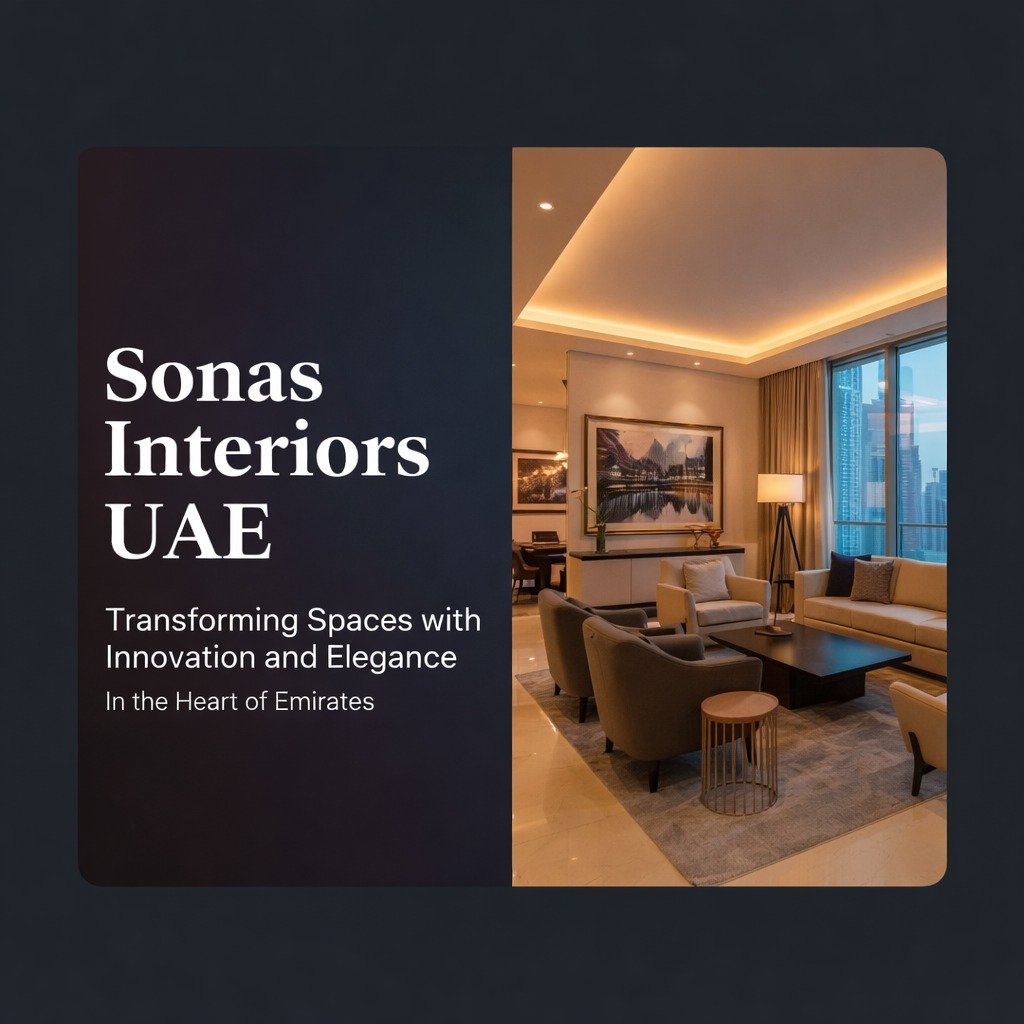
Sonas Interiors UAE

Sonas Interiors UAE: Transforming Spaces with Innovation and Elegance in the Heart of the Emirates

Three months ago, Sarah walked into her newly purchased Dubai Marina apartment. The space felt cold, impersonal, like a showroom that hadn’t quite found its soul. She had scrolled through dozens of interior design portfolios, each promising transformation, but something was missing. Then she discovered Sonas Interiors UAE, and everything changed. Today, her home is a living testament to what happens when design meets genuine understanding—a space that breathes her personality while capturing the sophisticated essence of UAE living.

Here’s what nobody tells you about interior design in the UAE: it’s not just about making spaces look beautiful. In a market projected to hit AED 68 billion by 2032, with over 850 licensed firms competing for attention, the real challenge is creating spaces that resonate with the unique lifestyle demands of UAE residents. Sonas Interiors UAE understands this fundamental truth.

Why Sonas Interiors UAE is Redefining Interior Design Excellence

The UAE interior design landscape has exploded in 2025. Dubai’s interior and flooring industry recorded its strongest year of growth driven by residential upgrades, commercial refurbishments, and demand for premium solutions. Against this backdrop of fierce competition and discerning clients, Sonas Interiors UAE emerges as a fresh voice with a distinctive approach.

What sets this company apart isn’t just their design philosophy—it’s their obsessive attention to the details that matter. While established firms sometimes rely on template solutions, Sonas Interiors UAE builds every project from the ground up, treating each space as a unique canvas worthy of bespoke innovation.

The Sonas Difference: Where Cultural Heritage Meets Modern Innovation

Walk into any Sonas Interiors project, and you’ll immediately notice something different. The spaces feel lived-in even when they’re brand new. Arabic patterns, geometric shapes, and premium materials like gold, silk, and brass add warmth and depth, while sleek modern furniture creates contrast, making rooms feel contemporary while respecting cultural heritage. This is the Sonas signature—honoring Emirati design traditions while pushing boundaries with contemporary aesthetics.

I’ve seen their approach firsthand in a Business Bay penthouse project. They didn’t just layer traditional elements over modern furniture. Instead, they wove mashrabiya-inspired screens into smart glass partitions, creating privacy zones that adapted to the owner’s lifestyle. The brass accents weren’t just decorative—they were integrated into the lighting system, casting geometric patterns across travertine floors during sunset hours.

Comprehensive Interior Design Products and Services That Actually Deliver

Let me be straight with you: the “full-service interior design” claim gets thrown around constantly in Dubai. Every second firm promises comprehensive solutions. What does that actually mean at Sonas Interiors UAE? Let’s break it down with specifics.

Residential Interior Design: Creating Homes That Tell Your Story

The residential division at Sonas Interiors UAE specializes in transforming houses into homes. Their process begins not with mood boards but with understanding how you actually live. Do you work from home three days a week? Do you entertain frequently? Are you raising toddlers or hosting elderly parents?

Their residential portfolio spans:

Luxury Villas and Penthouses: For high-net-worth individuals seeking statement properties, Sonas creates spaces that whisper sophistication rather than shout opulence. The new luxury in UAE emphasizes personalized, powerful, and proudly expressive designs with rare materials and artisanal techniques. Think hand-applied metalwork, exotic marbles sourced from quarries in Italy and Turkey, and custom furniture pieces that become conversation starters.

Mid-Range Apartments: Here’s where Sonas truly shines. They’ve mastered the art of delivering premium aesthetics within realistic budgets. Using clever space optimization, multifunctional furniture, and strategic investment in key statement pieces, they create apartments that punch well above their price point.

Family Homes: Designing for families requires a different mindset entirely. Sonas integrates durable, child-friendly materials that don’t sacrifice style. Their specification of stain-resistant fabrics, rounded furniture edges, and cleverly concealed storage systems shows genuine understanding of family dynamics.

Commercial Interior Design: Spaces That Drive Business Results

Commercial projects demand a different approach, and Sonas Interiors UAE treats them as strategic business investments rather than mere aesthetic exercises. Their commercial division works across multiple sectors:

Office and Corporate Spaces: Multi-functional zones with sliding partitions and adaptable furniture, plus integrated tech systems that adjust ambiance based on time of day define modern UAE office design. Sonas implements these concepts with precision, creating workspaces that boost productivity while reinforcing brand identity.

I spoke with a tech startup founder whose Jumeirah Lake Towers office was redesigned by Sonas last quarter. Their team transformed a conventional layout into collaborative zones with acoustic pods for focused work, standing desk clusters, and biophilic elements that reduced employee stress levels—measurably. Staff surveys showed a twenty-three percent improvement in workplace satisfaction within two months.

Retail and Hospitality: In Dubai’s competitive retail environment, your interior design literally drives revenue. Sonas creates retail spaces that guide customer flow intuitively, highlight products strategically, and create Instagram-worthy moments that drive organic marketing. Their lighting design alone—layering ambient, task, and accent lighting—can increase product appeal by thirty to forty percent.

Restaurants and Cafés: Dubai’s F&B scene is brutal. Concepts launch and fold within months. Sonas approaches restaurant design as experience architecture. They consider everything from table spacing that optimizes turnover without feeling cramped, to acoustics that allow conversation without creating dining-room noise chaos, to Instagram-worthy corners that generate social media content organically.

Turnkey Solutions: From Concept to Completion Without the Headaches

Here’s the reality of most interior design projects in the UAE: even with a great designer, you’re juggling contractors, suppliers, furniture vendors, and installers. Deadlines slip. Quality varies. Costs creep upward.

Sonas Interiors UAE’s turnkey approach eliminates this chaos. They handle every aspect:

  • Initial consultation and needs assessment
  • Space planning and 3D visualization
  • Material procurement from verified suppliers
  • Custom furniture fabrication
  • Complete project management
  • Final styling and handover

Their project management system uses advanced tracking software that gives clients real-time visibility into progress. You’re not calling repeatedly for updates—you log in and see exactly where things stand, from material orders to installation schedules.

Sustainable and Eco-Friendly Design: Luxury with Conscience

Sustainability shifted from buzzword to lifestyle, with UAE interior design focusing on eco-friendly yet luxurious materials. Sonas Interiors UAE takes this seriously, not as marketing spin but as design philosophy.

Their sustainable practices include:

Material Selection: They source reclaimed wood from dismantled heritage buildings, turning century-old timber into statement ceiling beams. Their textile suppliers provide organic cotton, hemp, and bamboo fabrics that rival synthetic alternatives in durability while eliminating VOCs and microplastic pollution.

Energy Efficiency: Every Sonas project integrates LED lighting systems with smart controls, reducing energy consumption by forty to sixty percent compared to traditional lighting. They specify low-emissivity glass for windows, significantly cutting cooling costs in Dubai’s intense climate.

Waste Reduction: Their fabrication partners use precision cutting technology that minimizes material waste. Offcuts get redirected to smaller projects or donated to vocational training programs rather than ending up in landfills.

Longevity Over Trends: The most sustainable choice is designing spaces that don’t need replacement in three years. Sonas creates timeless interiors with quality materials that age gracefully, backed by five-year warranties on custom furniture pieces.

Design Services That Adapt to Your Reality

Let’s talk about how Sonas Interiors UAE actually works with clients, because process matters as much as the final result.

Consultation and Space Planning: Getting the Foundation Right

Their initial consultation isn’t a sales pitch disguised as advice. They spend three to four hours understanding your space, budget, timeline, and vision. They ask uncomfortable questions: What’s your actual budget, not your aspirational one? What frustrated you about your last space? What time of day do you use each room?

This consultation includes:

  • Detailed space measurements and analysis
  • Lifestyle assessment questionnaire
  • Budget breakdown with realistic cost scenarios
  • Timeline planning with buffer zones for inevitable delays
  • Material samples relevant to your specific requirements

The space planning phase uses 3D modeling software that lets you virtually walk through proposed layouts. You’re not squinting at 2D floor plans trying to imagine spatial relationships—you’re experiencing the space before construction begins.

3D Visualization and Rendering: Seeing Your Space Before It Exists

Sonas Interiors UAE’s visualization services go beyond pretty pictures. Their rendering team creates photorealistic walkthroughs that show exactly how natural light moves through your space at different times of day, how artificial lighting affects mood, and how furniture pieces interact spatially.

This isn’t just showmanship. It’s risk mitigation. Changes made during the visualization phase cost nothing. Changes made during construction cost everything—money, time, and sanity.

Custom Furniture and Joinery: Pieces That Fit Your Life Perfectly

Off-the-shelf furniture rarely fits perfectly. Sonas operates their own joinery workshop, fabricating custom pieces designed specifically for each project. Their master craftsmen work with solid woods, engineered materials, metals, and glass, creating furniture that’s genuinely one-of-a-kind.

Their custom capabilities include:

  • Built-in wardrobes optimized for your actual wardrobe, not generic dimensions
  • Kitchen cabinets designed around your cooking style and storage needs
  • Entertainment centers that hide technology when not in use
  • Murphy beds and transforming furniture for studio apartments
  • Custom dining tables that seat your regular guest count comfortably

Materials come from verified suppliers with full provenance documentation. They’ll show you exactly where your oak originated, which quarry your marble came from, which finishing process was used on your brass fixtures.

Project Management: Keeping Chaos at Bay

Here’s what I’ve learned from watching three Sonas projects simultaneously: their project management is exceptional. They assign a dedicated project manager who becomes your single point of contact. No more tracking down different contractors for updates.

Their management process includes:

  • Weekly progress reports with photo documentation
  • Budget tracking with real-time cost updates
  • Quality control inspections at every milestone
  • Supplier coordination and delivery scheduling
  • Problem resolution before issues escalate
  • Client approvals at critical decision points

They buffer timelines realistically. If they promise eight weeks, they deliver in eight weeks, not ten weeks with apologetic explanations about “unexpected delays.”

Embracing 2025’s Hottest Design Trends Without Losing Timelessness

In 2025, interior design adopts concepts combining comfort, long-term viability and style. Sonas Interiors UAE navigates this landscape expertly, embracing current trends while avoiding the trap of designing spaces that feel dated within months.

Biophilic Design: Bringing Nature Indoors

Biophilic design—integrating greenery and natural materials—ranks among top interior trends, with UAE homeowners and office developers incorporating vertical gardens and wooden ceiling panels. Sonas implements biophilic principles throughout their projects.

Their approach goes beyond scattering a few potted plants around. They create living walls with integrated irrigation systems, specify low-maintenance species suited to indoor environments, and design layouts that maximize natural light penetration. In a recent Arabian Ranches villa project, they installed floor-to-ceiling windows facing the internal courtyard, transforming the garden into a living artwork visible from every major room.

Smart Home Integration: Technology That Enhances, Not Complicates

Smart lighting, automated curtains, and voice appliances became essential in luxury homes, adding ease and sophistication. Sonas doesn’t just install smart technology—they integrate it thoughtfully.

Their systems are intuitive. You shouldn’t need a user manual to turn on lights in your own home. They specify systems with simple interfaces, voice control options, and most importantly, manual overrides. Because when technology fails at midnight, you want a physical light switch.

Smart features they commonly integrate:

  • Circadian rhythm lighting that adjusts color temperature throughout the day
  • Automated blinds programmed for optimal natural light and privacy
  • Climate zones that adapt to occupancy patterns
  • Integrated audio systems with architectural speakers
  • Security systems that notify without being intrusive

Quiet Luxury: Sophistication Without Ostentation

Subtlety emerged as new luxury, with the era of overt extravagance giving way to understated elegance as high-net-worth individuals curate interiors exuding discreet sophistication. This perfectly describes Sonas Interiors UAE’s aesthetic philosophy.

Instead of crystal chandeliers and gold everything, they create rooms where luxury reveals itself gradually. A hand-plastered wall with subtle texture variations. Custom millwork with perfectly aligned grain patterns. Fabric with an extraordinary hand-feel that you notice when you sit down.

This approach requires more skill than obvious opulence. It’s harder to create a room that feels expensive through craft and proportion than through expensive-looking materials. But it ages infinitely better.

Warm Minimalism: Comfort Meets Clean Lines

2025 shifts toward deep, grounding colors creating warmth and comfort, with Pantone’s Mocha Mousse bringing depth, sophistication, and connection to nature. Sonas embraces this evolution away from cold white minimalism.

Their warm minimalist spaces feature rich terracottas, deep greens, and sophisticated browns as foundation colors. They layer in natural materials—linen curtains, wool rugs, wooden furniture with visible grain—creating spaces that feel calm without being sterile.

Cultural Reclamation: Celebrating Emirati Heritage

The elegance of cultural influences returns, with Arabic motifs, wooden decorations, and golden details merging with contemporary designs to produce warm, unique atmospheres. Sonas Interiors UAE handles this cultural fusion with genuine respect and understanding.

They collaborate with local artisans who practice traditional crafts, commissioning custom pieces that honor heritage while serving contemporary functions. A mashrabiya screen becomes a room divider. Geometric Islamic patterns inspire terrazzo floor designs. Brass lanterns get reimagined as pendant lights with LED technology.

This isn’t cultural appropriation or superficial decoration—it’s thoughtful integration that tells a story about place and identity.

Real Projects, Real Results: Sonas Interiors UAE in Action

Let me share three recent projects that demonstrate Sonas Interiors UAE’s range and capabilities.

Case Study 1: The Palm Jumeirah Villa Transformation

Client: Young family with two children, relocated from London Budget: AED 450,000 Timeline: 12 weeks Square footage: 3,800 square feet

The challenge: Create a sophisticated family home that could withstand daily life with children while maintaining the elevated aesthetic befitting a Palm Jumeirah address.

Sonas’s solution integrated performance fabrics that resist stains and wear while looking and feeling luxurious. They designed a living room with a sunken conversation pit featuring washable velvet upholstery and hidden storage for toys. The kitchen received custom cabinetry with soft-close mechanisms and fingerprint-resistant finishes.

The result exceeded the client’s expectations. The mother told me the home “feels like a five-star hotel but actually works for real life.” Six months in, the furniture still looks pristine despite active use by two children under eight.

Case Study 2: Business Bay Office for Tech Startup

Client: 45-person tech company, rapidly scaling Budget: AED 280,000 Timeline: 8 weeks Square footage: 2,400 square feet

The challenge: Create a workspace that reflects the company’s innovative culture while supporting multiple work modes—collaborative, focused, social, and confidential.

Sonas designed zones rather than traditional cubicles. Collaborative areas featured standing-height tables and writable wall surfaces. Focus zones included acoustic pods with adjustable lighting. The CEO’s office used smart glass that switches from transparent to opaque, maintaining openness while allowing privacy when needed.

The startup’s HR director reported a measurable productivity increase and seventeen percent reduction in employee turnover six months post-move. Job candidates frequently cite the office environment as a hiring factor.

Case Study 3: Jumeirah Beach Residence Apartment Maximization

Client: Single professional, frequent international travel Budget: AED 180,000 Timeline: 6 weeks Square footage: 850 square feet

The challenge: Maximize functionality and storage in a compact studio while maintaining a luxurious, uncluttered aesthetic.

Sonas deployed transforming furniture solutions—a murphy bed that disappeared into a wall unit during the day, a dining table that extended from two-person to six-person configuration, and a workspace that folded away completely. Hidden storage utilized every possible vertical surface without creating visual clutter.

The client described the transformation as “living in a space twice the size.” The apartment now hosts dinner parties comfortably and provides dedicated work zones despite the compact footprint.

Investment and Pricing: What to Expect When Working with Sonas Interiors UAE

Let’s address the question everyone has but few ask directly: what does Sonas Interiors UAE actually cost?

Their pricing structure is transparent and tiered based on project scope and finish level:

Budget-Conscious Projects (AED 100,000 – 200,000 for typical 2-bedroom apartment):

  • Good quality materials from reliable mid-range suppliers
  • Mix of custom and high-quality ready-made furniture
  • Standard finish details
  • 6-8 week typical timeline
  • Basic smart home integration

Mid-Range Projects (AED 200,000 – 400,000 for typical 2-bedroom apartment):

  • Premium materials with some luxury elements
  • Majority custom furniture and millwork
  • Enhanced finish details and architectural elements
  • 8-12 week typical timeline
  • Comprehensive smart home systems

Luxury Projects (AED 400,000+ for typical 2-bedroom apartment):

  • Rare materials and artisanal finishes
  • Fully bespoke furniture and fixtures
  • Exceptional detail work and craftsmanship
  • 12-16 week typical timeline
  • Cutting-edge integrated technology

These ranges include design fees, project management, materials, fabrication, and installation. Sonas provides fixed-price quotes after initial consultation, protecting clients from budget creep.

Payment typically structures as: 20% deposit on contract signing, 40% on material procurement, 30% on installation completion, 10% final payment after walk-through approval.

Why Choose Sonas Interiors UAE Over Established Competitors?

In a market with hundreds of options, why should you consider a relatively new firm like Sonas Interiors UAE?

Fresh Perspective: Established firms sometimes rely on proven formulas. Sonas brings innovative approaches precisely because they’re not bound by decades of “this is how we’ve always done it.”

Personalized Attention: Larger firms often assign junior designers to smaller projects. At Sonas, senior designers remain involved throughout, regardless of project size.

Agile Responsiveness: Their streamlined structure means faster decision-making and problem-solving. When issues arise—and they always do in construction—Sonas can pivot quickly rather than navigating through layers of approval.

Technology Integration: As a new company, they’ve built their processes around current technology from day one. Their project management systems, visualization tools, and communication platforms reflect 2025 standards, not systems developed in 2010.

Hunger to Excel: They’re building their reputation with every project. This creates motivation to exceed expectations that established firms—comfortable with their market position—sometimes lack.

Competitive Pricing: Without legacy overhead costs, Sonas offers exceptional value. You’re paying for design expertise and quality execution, not for maintaining an expensive Sheikh Zayed Road showroom.

The Sonas Process: From First Contact to Final Reveal

Understanding how Sonas Interiors UAE actually works removes much of the anxiety around interior design projects. Here’s the detailed journey:

Phase 1: Initial Inquiry and Consultation (Week 1)

You reach out through their website or showroom. Within 24 hours, their client coordinator schedules an initial consultation. This first meeting happens at your property whenever possible, allowing designers to experience the space directly.

They ask detailed questions about lifestyle, preferences, budget, and timeline. This isn’t interrogation—it’s information gathering to ensure they’re the right fit for your project. If they’re not, they’ll say so honestly and potentially recommend alternatives.

Phase 2: Proposal and Agreement (Weeks 2-3)

Following consultation, their design team prepares a comprehensive proposal including:

  • Design concept overview with mood boards
  • Preliminary floor plans showing proposed layouts
  • Material palette suggestions
  • Detailed cost breakdown
  • Project timeline with milestones
  • Terms and conditions

You review, ask questions, negotiate adjustments. Once aligned, you sign the agreement and pay the initial deposit.

Phase 3: Design Development (Weeks 3-5)

This is where ideas crystallize into detailed plans. Designers create:

  • Finalized floor plans with measurements
  • Elevation drawings showing wall treatments
  • 3D renderings of key spaces
  • Detailed material specifications
  • Custom furniture designs
  • Lighting plans
  • Electrical and plumbing modifications

You review and approve designs. Revisions happen iteratively until you’re completely satisfied. Sonas doesn’t rush this phase—getting design right now saves enormous cost and frustration later.

Phase 4: Procurement and Fabrication (Weeks 6-9)

With approved designs, Sonas begins:

  • Ordering materials from suppliers
  • Fabricating custom furniture in their workshop
  • Coordinating with contractors and installers
  • Scheduling deliveries

Your project manager provides weekly updates. You’re not wondering what’s happening—you’re informed proactively.

Phase 5: Installation and Execution (Weeks 10-14)

The exciting phase where your space transforms. Sonas coordinates:

  • Demolition and preparation work
  • Electrical and plumbing modifications
  • Flooring installation
  • Wall finishes and painting
  • Custom millwork installation
  • Furniture delivery and placement
  • Styling and accessorizing

Quality inspections happen throughout. Issues get resolved immediately rather than accumulating into handover-day disasters.

Phase 6: Final Walkthrough and Handover (Week 15)

You tour your completed space with the design team. They explain maintenance requirements for materials and finishes, demonstrate smart home systems, and address any final adjustments.

Sonas provides comprehensive documentation including:

  • As-built drawings
  • Material specifications and care instructions
  • Warranty information for custom pieces
  • Supplier contact information for future needs
  • Digital photos for insurance documentation

Common Questions About Working with Sonas Interiors UAE

How long does a typical project take?

Residential projects range from 6 to 16 weeks depending on scope and complexity. A straightforward apartment refresh might complete in 6 weeks. A comprehensive villa renovation requires 12-16 weeks. Sonas provides realistic timelines upfront with buffer periods for inevitable delays.

Can I supply my own materials or furniture?

Yes, with conditions. Sonas welcomes client-sourced items, especially family heirlooms or special pieces with emotional significance. However, they maintain quality standards for structural elements and need to approve materials for warranty purposes. If client-supplied materials cause delays or quality issues, Sonas isn’t responsible.

What if I change my mind during the project?

Design changes are normal within reason. Minor adjustments during the design development phase incur no additional cost. Changes after material procurement or during installation require careful evaluation. Sonas provides cost and timeline implications before implementing any mid-project changes.

Do you work outside Dubai?

Absolutely. While based in Dubai, Sonas serves clients throughout the UAE—Abu Dhabi, Sharjah, Ajman, Ras Al Khaimah. They’ve completed projects in each emirate and understand regional preferences and regulatory requirements.

What happens if something goes wrong after completion?

Sonas provides warranties on all custom fabricated items—typically five years on joinery and furniture. They also maintain relationships with all suppliers and can quickly address any issues. Their client service team remains available post-project for questions or concerns.

Can you work with my existing furniture?

Certainly. Many clients have quality pieces they want to retain. Sonas designs around existing furniture, sometimes recommending reupholstery or refinishing to integrate pieces better into the new design scheme. This often provides significant budget savings while maintaining sentimental connections.

How involved do I need to be?

Your involvement level is entirely your choice. Some clients want to approve every detail. Others prefer to trust the design team and only review at major milestones. Sonas accommodates both approaches and everything in between.

What makes your custom furniture worth the investment?

Custom furniture solves problems ready-made pieces can’t address. It fits precisely, utilizes space optimally, incorporates exactly the features you need, and matches your aesthetic perfectly. Quality custom pieces last decades with proper care, unlike cheaper alternatives requiring replacement every few years.

Sustainability Commitment: More Than Greenwashing

Let’s be cynical for a moment: “sustainability” has become an industry buzzword, often meaning little beyond marketing spin. Sonas Interiors UAE approaches sustainability differently—as operational practice rather than promotional language.

Their environmental commitments include measurable actions:

Material Sourcing: They maintain a verified supplier network committed to sustainable practices. Wood comes from FSC-certified forests. Fabrics use organic or recycled fibers. Stone and tile suppliers demonstrate responsible extraction practices.

Energy Efficiency: Every project includes LED lighting as standard. They specify ENERGY STAR-rated appliances, high-efficiency HVAC systems, and smart thermostats that learn occupancy patterns and adjust automatically.

Water Conservation: In Dubai’s water-scarce environment, conservation matters. Sonas installs low-flow fixtures, dual-flush toilets, and drought-resistant plants in landscaping projects. These specifications typically reduce water consumption by thirty to forty percent.

Waste Management: Construction generates enormous waste—typically 30% of materials end up in landfills in conventional projects. Sonas implements sorting protocols, separating recyclable materials from true waste. Their fabrication precision minimizes material waste from the start.

Longevity Focus: The most sustainable choice is creating interiors that don’t require replacement. Sonas uses durable materials, timeless designs, and quality construction that ages gracefully. A well-designed space should serve you for fifteen to twenty years, not three to five.

Local Sourcing: When possible, they source locally, reducing transportation emissions while supporting UAE businesses. Their stone often comes from UAE quarries. Fabrics are increasingly sourced from regional suppliers. This also reduces lead times and costs.

The Future of Interior Design: Where Sonas is Heading

The UAE Interior Design Market projects growth from USD 1.77 billion in 2025 to USD 2.84 billion by 2030. This explosive growth creates opportunities for innovative firms like Sonas Interiors UAE.

Their development roadmap includes several exciting initiatives:

Virtual Reality Design Reviews: They’re implementing VR technology allowing clients to virtually walk through designs before construction begins. You’ll experience spatial relationships, proportions, and lighting conditions as if standing in the completed space.

Expanded Material Library: Sonas is curating an expanded showroom featuring sustainable materials, innovative finishes, and emerging technologies. Clients can see and touch samples rather than making decisions from catalogs.

Modular Furniture Line: They’re developing a signature collection of modular furniture designed specifically for UAE apartments. These pieces will offer customization options while providing faster delivery than fully bespoke items.

Wellness-Focused Design: The next frontier is designing spaces that actively promote occupant health and wellbeing. Sonas is researching circadian lighting systems, air purification integration, and acoustic treatments that reduce stress.

Collaborative Partnerships: They’re building relationships with complementary specialists—landscape designers, art consultants, home automation experts—creating comprehensive design ecosystems.

Making Your Decision: Is Sonas Interiors UAE Right for You?

You’ve read this far, which suggests genuine interest. How do you actually decide if Sonas Interiors UAE is your right choice?

Sonas is Ideal If You:

  • Value personalized attention over brand name prestige
  • Want designers who listen and adapt rather than impose their vision
  • Appreciate transparent pricing without hidden costs
  • Seek innovative solutions rather than templated approaches
  • Care about sustainability beyond superficial greenwashing
  • Want a collaborative partnership throughout your project
  • Expect responsive communication and problem-solving
  • Value quality craftsmanship over rushed completion

Sonas Might Not Fit If You:

  • Need an ultra-premium brand name for status signaling
  • Prefer completely hands-off projects with zero involvement
  • Want proven, conventional solutions without innovation
  • Have impossibly short timelines requiring corner-cutting
  • Prioritize absolute lowest cost over quality and service
  • Expect instant responses to queries at midnight on weekends

Your Next Step: Beginning Your Transformation Journey

Reading about interior design only takes you so far. The real magic happens when concept meets reality in your actual space.

Sonas Interiors UAE makes beginning incredibly straightforward. Visit their website at sonasinteriors.com and schedule an initial consultation. This conversation costs nothing and obligates you to nothing. You’ll meet their design team, discuss your vision, and get preliminary thoughts on possibilities and investment requirements.

Come prepared with:

  • Photos of your current space from multiple angles
  • Images of designs you love (Pinterest, Instagram, magazines)
  • A realistic budget range
  • Your desired timeline
  • Any must-have features or non-negotiables

If the consultation feels right, you’ll receive a detailed proposal within one week. If it doesn’t feel like the perfect fit, that’s completely fine—better to discover misalignment early than midway through a project.

Final Thoughts: Creating Spaces That Transform Lives

Interior design isn’t really about furniture placement and paint colors. It’s about crafting environments that support how you want to live, work, and feel every single day. Your home affects your mood, productivity, relationships, and overall life satisfaction more than most people realize.

2025 focuses on creating homes as personal sanctuaries reflecting unique style and supporting well-being, not just aesthetics but feeling amazing in spaces where you live, work, and relax. This philosophy drives everything Sonas Interiors UAE creates.

The UAE’s interior design market offers countless options from global firms to individual designers. Sonas Interiors UAE stands out not through aggressive marketing or impossible promises but through genuine commitment to creating exceptional spaces that enhance your daily life.

They understand that your home or office isn’t a showroom or an Instagram backdrop—it’s where life actually happens. Their designs balance beauty with functionality, innovation with practicality, ambition with budget reality.

The spaces Sonas creates tell stories. They reflect personalities. They solve problems. They spark joy when you walk through the door after a long day. That’s the real measure of successful interior design.

Your space has potential you might not yet see. Sonas Interiors UAE specializes in revealing that potential and transforming it into reality. The question isn’t whether transformation is possible—it’s whether you’re ready to begin the journey.

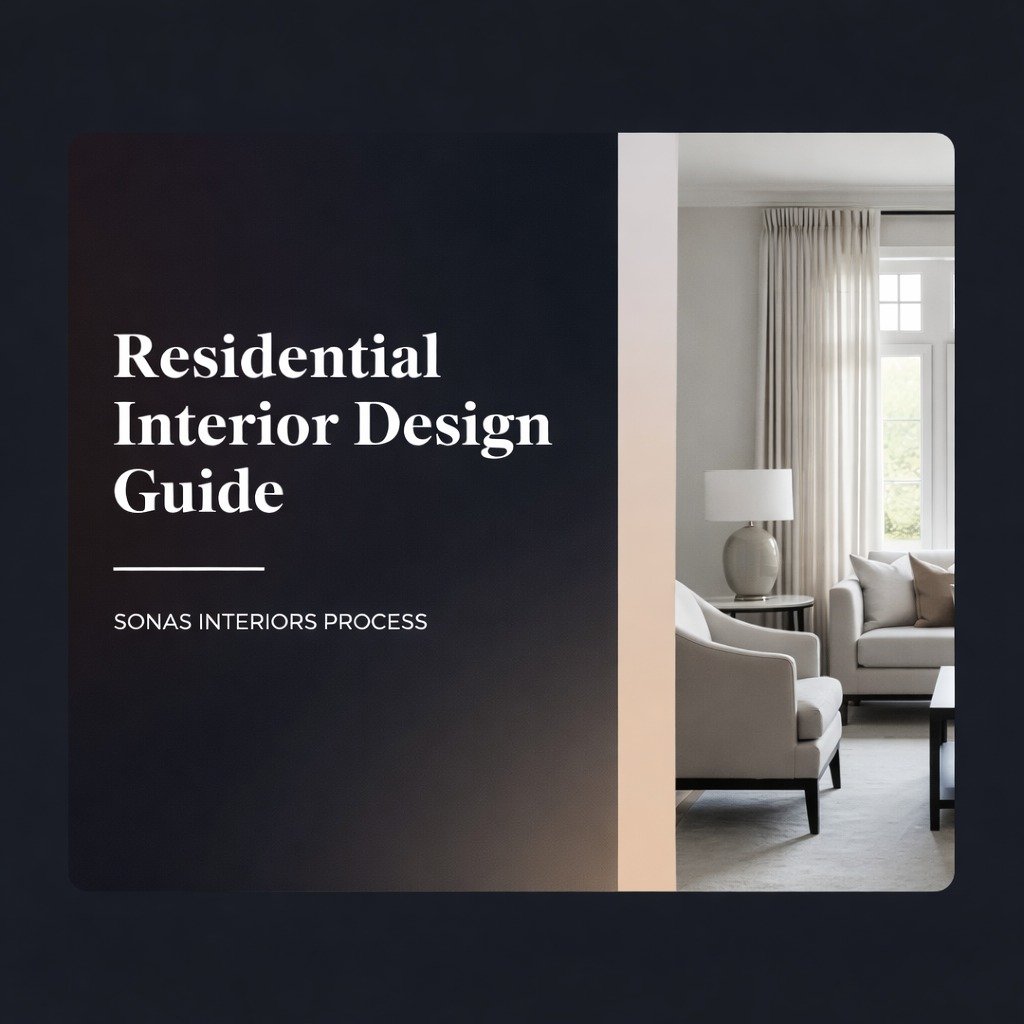
Residential Interior Design Guide _ Sonas Interiors Process

Residential Interior Design Guide | Sonas Interiors Process

Residential Interior Design Explained From Concept to Completion

You know that feeling when you walk into your home and something feels off, but you cannot explain why?

Maybe your living room looks fine. The furniture is expensive. The walls are freshly painted. Yet the space still feels cramped, messy, or stressful.

That is usually not a décor problem. It is a planning problem.

I learned this lesson the hard way in 2021. I worked with a homeowner who bought a beautiful sectional sofa before planning the layout. It looked perfect online. In real life, it blocked the walkway, ruined the flow, and made the room feel half its size. The fix cost weeks and thousands.

That is why residential interior design matters. It is not about choosing cushions and colors. It is about designing a home that supports your daily life.

This guide explains the full residential interior design journey. You will learn every step, what to expect, what it costs, and what mistakes to avoid. If you ever asked, “Where do I even start?” this will give you clarity.

And yes, I will also explain how Sonas Interiors approaches residential design in a structured, professional way, without turning this into a sales pitch.

What Is Residential Interior Design

Residential interior design is the professional process of planning, designing, and executing interior spaces in a home to improve comfort, function, and long-term quality of life.

Most people think of interior design as styling. That is only a small part of it.

Residential interior design vs decoration

Decoration focuses on surface-level choices like curtains, rugs, artwork, and accessories. Interior design goes deeper. It includes:

  • Space planning and circulation
  • Electrical and lighting layouts
  • Material selection and durability
  • Storage planning and built-ins
  • Ergonomics and usability
  • Budget and contractor coordination

If decoration is the final polish, interior design is the foundation.

What residential interior designers actually plan

Professional residential designers plan the “invisible” systems that make life easier. The best designers obsess over things most people ignore, like:

  • How far you walk from kitchen to dining table
  • Where your keys and bags naturally land
  • How light changes from morning to evening
  • Whether your storage matches your habits

When these things align, a home feels effortless.

Why residential design affects daily life more than people think

A well-designed home saves energy. It reduces stress. It supports better routines. It even improves how families interact.

That is why many people say:
“I feel calmer here.”
Even when they cannot explain what changed.

Read about our interior design services by Sonas Interiors

Why Residential Interior Design Starts Long Before Furniture

Residential interior design begins with structure and planning, not shopping and styling.

If you start with furniture, you risk building a home around random choices. That leads to regret.

Space planning and layout flow

Space planning is the backbone of every successful interior. It decides how rooms connect, how you move, and how the home feels.

A well-planned layout creates:

  • Clear walkways
  • Better seating zones
  • Natural conversation areas
  • Balanced proportions

It also makes small homes feel bigger.

Why lighting and wiring must be planned early

Lighting is not just decoration. It is infrastructure.

If you plan lighting too late, you end up with:

  • Too few sockets
  • Bad switch placement
  • Overhead glare
  • Shadows in task areas

Fixing these later can be expensive and disruptive.

The hidden costs of skipping early planning

Skipping planning creates hidden costs:

  • Last-minute changes
  • Wrong purchases
  • Contractor delays
  • Rework and wastage

The most expensive homes are not the luxury ones. They are the poorly planned ones.

Step 1: The Consultation and Lifestyle Discovery Phase

The first step in residential interior design is understanding your lifestyle, not your Pinterest board.

A good designer starts with questions.

What designers ask during discovery

Expect questions like:

  • Who lives here and how long will you stay
  • Do you work from home
  • What feels frustrating right now
  • What rooms do you use most
  • What do you want to feel inside this home

These questions shape every decision later.

How to prepare for your first meeting

Bring clarity, not perfection.

Prepare:

  • Basic budget range
  • Rough timeline goals
  • Photos of spaces you genuinely like
  • A list of pain points
  • Must-have needs like storage or lighting

The more honest you are, the better the result.

Lifestyle and routine mapping

This is where great designers stand out.

They map your daily routine like a user experience design process. That means the home is designed around real life, not aesthetics.

Example:
If you have kids, you need storage near entry zones.
If you cook daily, you need correct countertop lighting.
If you work late, you need layered lighting for calm evenings.

Step 2: Site Measurement and Space Planning

This phase translates your needs into a working layout.

Measurements matter more than mood boards.

Why measurements matter more than inspiration

Even small errors create big issues.

A wrong measurement can lead to:

  • Cabinets not fitting
  • Furniture squeezing pathways
  • Lighting misalignment
  • Curtain lengths failing

Professionals measure everything carefully.

Layout options and circulation planning

Designers create layout options and test flow. They consider:

  • Walkway widths
  • Door swing space
  • Seating distances
  • Sightlines and natural light

This creates a home that feels intuitive.

Common space planning mistakes homeowners make

Here are repeat mistakes:

  • Buying furniture too early
  • Ignoring walkway clearance
  • Making rooms look good but unusable
  • Overcrowding with storage in wrong areas

A designer prevents these mistakes before they happen.


Step 3: Concept Development and Design Direction

The concept is the creative blueprint for your home’s look and feel.

This is where style becomes structured.

Mood boards and design themes

Mood boards are not just pretty images. They communicate:

  • Color direction
  • Material feel
  • Design language
  • Mood and emotion

A strong concept creates consistency across rooms.

What makes a concept timeless

Timeless design is not bland. It is balanced.

Timeless homes usually have:

  • Neutral foundations
  • Natural materials like wood and stone
  • Simple lines
  • Good lighting
  • One or two bold moments only

Choosing a style without copying trends

Trends change fast.

A better approach is to borrow selectively.

Keep your base timeless. Add personality through art, textiles, and accents. Those can change later without major renovation.


Step 4: Material Selection and Finish Planning

Materials decide durability, maintenance, and long-term comfort.

This step has huge impact.

Flooring, wall finishes, and surface durability

Homes have high wear areas. Think hallway, kitchen, and living zones.

Good designers choose durable materials that still feel premium. Common options include:

  • Engineered wood
  • Porcelain tiles
  • Quartz surfaces
  • Washable paint finishes
  • Anti-scratch laminates for certain zones

How to choose materials for long-term living

Ask these questions:

  • Will it stain easily
  • Will it scratch easily
  • Will it fade in sunlight
  • Is it easy to clean
  • Does it age well

Most regrets come from ignoring maintenance reality.

Common material mistakes and how to avoid them

Mistakes include:

  • Matte surfaces that show fingerprints
  • Cheap wood in humid climates
  • Gloss finishes in high traffic areas
  • Trend tiles that feel dated quickly

A designer balances beauty with performance.

Helpful external resource:
Houzz Renovation Guides and material discussions are useful for early research. (External Link)


Step 5: Lighting Plan and Electrical Coordination

Lighting is one of the most important, and most neglected, parts of residential interior design.

It affects mood, comfort, productivity, and sleep.

Layered lighting concept

A well-designed home uses three layers:

  1. Ambient lighting for general brightness
  2. Task lighting for working zones
  3. Accent lighting for depth and warmth

This makes a home feel rich without being flashy.

Lighting temperature and mood

Warm light feels relaxing. Cool light feels functional.

Most homes need a mix depending on usage. Designers consider:

  • Kelvin ranges
  • Glare control
  • Shadow prevention
  • Placement height

Lighting failures that ruin expensive interiors

I have seen this many times. A beautiful home looks cheap under harsh light.

Common lighting failures:

  • One ceiling light per room
  • No dimmers
  • Wrong placement in kitchens
  • No bedside lighting strategy

Interior designers fix this early so you never feel that regret.

Step 6: Furniture, Storage, and Custom Joinery

This step turns the layout into a real living space.

Furniture is not chosen for “looks.” It is chosen for living.

Built-in storage planning and clutter reduction

Storage should match habits.

For example:

  • Entry storage for shoes and bags
  • Hidden storage near living zones
  • Pantry systems for daily cooking
  • Bedroom storage that reduces mess

Good storage reduces stress without demanding attention.

Custom joinery vs ready-made solutions

Custom joinery looks seamless, but it costs more.

Ready-made solutions offer value but may not fit perfectly.

Designers often blend both:

  • IKEA carcasses with custom fronts
  • Custom wardrobes for tricky walls
  • Modular systems where flexibility matters

This keeps budget smart.

Balancing beauty with functionality

The best interiors feel beautiful because they work. The design does not fight daily routines.

👉 Internal link suggestion: Explore turnkey interior solutions (Internal Link)

Step 7: Project Execution and On-Site Coordination

Great design can fail during execution if nobody controls quality on site.

This is where professional coordination matters most.

How interior designers work with contractors

Designers:

  • Share technical drawings
  • Clarify details
  • Manage vendor timelines
  • Solve on-site issues
  • Protect design intent

They act as the bridge between vision and reality.

Why site supervision saves money

Many cost overruns come from miscommunication.

A designer prevents:

  • Wrong paint finishes
  • Misplaced sockets
  • Incorrect tile laying patterns
  • Cabinet height mistakes

Fixing errors later costs far more.

Managing timelines and avoiding delays

Delays happen due to:

  • Material lead times
  • Unclear decisions
  • Contractor scheduling conflicts

Designers build timelines that include buffers and backup plans.

Helpful external resource:
The American Society of Interior Designers explains professional scopes and benefits clearly. (External Link)

Step 8: Styling, Final Setup, and Handover

This is where the home feels complete, but still personal.

Styling is the final layer, not the starting point.

Final styling without overdecorating

Good styling feels effortless.

It uses:

  • Curated art and accessories
  • Layered textiles
  • Statement lighting
  • Balanced negative space

Overdecorating creates noise. Professional designers avoid that.

Quality checks and walkthrough

Before handover, designers check:

  • Finish quality
  • Alignment and gaps
  • Lighting behavior
  • Paint consistency
  • Functional usability

A thorough walkthrough prevents surprise later.

Post-project support and maintenance tips

The best designers offer advice on:

  • Cleaning and maintenance
  • Long-term care
  • Minor upgrades later
  • Warranty coordination

This turns a project into a long-term relationship.

How Long Does Residential Interior Design Take

Residential interior design usually takes 2 to 12 months depending on scope.

Typical timelines by project size

  • Single room refresh: 2 to 6 weeks
  • Partial home: 2 to 5 months
  • Full home interior: 6 to 12 months
  • Renovations with structural changes: 9 to 14 months

What causes delays

  • Decision delays from clients
  • Material shipping problems
  • Contractor overload
  • Custom joinery lead times

How to speed things up without mistakes

  • Decide key finishes early
  • Approve layouts before buying anything
  • Use backup material options
  • Keep communication tight

How Much Does Residential Interior Design Cost

Costs vary widely, but residential interior design is always cheaper than rework.

Design fees explained

Designers charge in different ways:

  • Fixed project fee
  • Percentage of project cost
  • Hourly consultation
  • Package-based services

Cost range by home size

As a general guide:

  • Small home refresh: mid 4 figures to low 5 figures
  • Full home design and execution: 5 figures to low 6 figures
  • Luxury complete interior build: higher depending on materials

Budget breakdown

The budget usually goes into:

  • Construction and labor
  • Furniture and lighting
  • Custom joinery
  • Materials and finishes
  • Professional design fees

The smartest budgets prioritize layout, lighting, and durable surfaces first.

Common Mistakes to Avoid During Residential Interiors

Here is the blunt truth: most homeowners do not fail due to taste. They fail due to timing.

Changing decisions too late

Late changes can add weeks and thousands. Decide early, then stick to it.

Buying furniture before planning

This causes layout compromises. Always plan first.

Copying Pinterest without adapting

Pinterest rooms are staged. They rarely match real home dimensions or routines. Adapt, do not copy.

How Sonas Interiors Handles Residential Interior Design

Sonas Interiors approaches residential design with structure, clarity, and long-term comfort in mind.

Process-first approach

Sonas Interiors focuses on planning before styling. That prevents common mistakes.

Timeless, functional, luxury

Their work leans toward calm and lasting design, not loud trends.

Why structured execution matters

Clients often prefer Sonas Interiors because they want a home that stays beautiful for years, not weeks.

Frequently Asked Questions (Schema-ready)

1. What is residential interior design in simple terms

Residential interior design is planning and designing home interiors to improve comfort, flow, and daily usability.

2. What does a residential interior designer do

A designer plans layouts, lighting, materials, storage, and coordinates execution to ensure the home functions well.

3. How long does a residential interior design project take

Most projects take 2 to 12 months depending on scope, complexity, and material lead times.

4. How much does residential interior design cost

Costs depend on project size and finishes, but professional design prevents expensive mistakes and rework.

5. Can I hire a designer for only one room

Yes. Many designers offer single-room packages or consultations.

6. Is interior design worth it for small homes

Yes. Small homes benefit the most from smart planning and storage solutions.

7. What is the difference between turnkey and normal interior services

Turnkey services include design, procurement, and execution under one coordinated plan. Normal services may include design only.

8. Can designers work with existing furniture

Yes. Designers often integrate existing pieces and upgrade around them.

9. What are the biggest mistakes in home interiors

Buying furniture early, poor lighting planning, trend obsession, and late decision changes.

10. When should I contact an interior designer

Contact a designer before you start buying, renovating, or making major layout decisions.

Conclusion

Residential interior design is not a luxury. It is a framework for better living.

When you understand the full process from concept to completion, everything becomes easier. You make smarter decisions. You avoid costly errors. You build a home that supports daily life instead of fighting it.

The truth is simple. A well-designed home does not shout for attention. It quietly makes life better.

If you want that kind of clarity and long-term comfort, working with a structured studio like Sonas Interiors is a strong step.

Now I want to ask you something important.

What is the one daily frustration in your home you would love to remove forever?

Interior Design

How Professional Interior Design Transforms Everyday Living

Every morning starts the same way. You wake up, move through your home, and immediately feel rushed. The kitchen feels cramped. Storage never seems enough. Light hits the wrong places. Cleaning takes longer than it should. Nothing is broken, yet nothing truly works.

This is the silent problem many people live with for years. They assume it is normal. They assume a home only needs to look good, not function better. That is where professional interior design quietly changes everything.

Professional interior design is not about luxury or decoration. It is about shaping everyday life. It influences how easily you move, how calm you feel, and how much energy you save each day. When done correctly, it improves comfort without demanding attention.

This article explains how professional interior design transforms everyday living in real, practical ways, far beyond surface beauty.

What Is Professional Interior Design

Professional interior design is the strategic planning and execution of interior spaces to improve function, comfort, and long-term usability, not just appearance.

Many people confuse interior design with decoration. The difference matters.

Interior design vs interior decoration

Interior decoration focuses on finishes, furniture, and styling. Interior design starts much earlier. It considers layout, lighting, circulation, storage, materials, and how people live inside the space.

Decoration can be changed easily. Design decisions shape daily life for years.

What “professional” really means in interior design

A professional interior designer works with structure, not just aesthetics. They analyze lifestyle needs, spatial constraints, and long-term maintenance. They create plans that builders, electricians, and craftsmen can execute accurately.

Professional interior design is measured by how well a space works, not how it photographs.

Why planning matters more than furniture

Furniture can be replaced. Poor planning cannot.

Without proper interior planning, even expensive furniture feels uncomfortable. With good planning, modest pieces feel intentional. This is why professional interior design begins with layout and flow, not shopping lists.

How Interior Design Impacts Daily Comfort and Function

Interior design directly affects how smoothly daily routines flow, from morning movement to evening relaxation.

Comfort is not accidental. It is designed.

Space planning and daily flow

Well-planned spaces reduce unnecessary movement. Doorways align naturally. Pathways stay clear. Rooms feel intuitive to use.

Poor layouts create friction. You walk around furniture. You open doors into obstacles. These small annoyances add stress over time.

Professional interior design removes friction you did not realize existed.

Storage solutions that reduce mental stress

Clutter is not always about having too much. Often, it is about having nowhere logical to put things.

Interior designers plan storage around habits. Daily items stay accessible. Seasonal items disappear cleanly. This reduces visual noise and mental fatigue.

A calm space supports a calm mind.

Furniture placement and usability

Furniture placement is not decoration. It is ergonomics.

Professional interior design ensures seating faces the right direction, tables sit at usable heights, and spaces remain flexible. The result is comfort that feels natural, not forced.

The Psychological Benefits of Well-Designed Interiors

Interior design influences mood, focus, and emotional wellbeing more than most people expect.

Your surroundings shape how you feel.

How colors influence emotions

Color affects energy levels and emotional responses. Warm neutrals promote comfort. Soft tones encourage relaxation. Poor color choices overstimulate or dull spaces unnecessarily.

Professional interior design uses color intentionally, not impulsively.

Lighting and mental wellbeing

Lighting impacts sleep, focus, and mood. Overhead glare creates fatigue. Insufficient lighting creates strain.

Designers layer lighting to support different moments of the day. Task lighting supports work. Ambient lighting creates calm. Accent lighting adds depth without distraction.

Calm interiors vs visual clutter

Visually busy spaces increase mental noise. Calm interiors reduce it.

Professional interior design balances texture, contrast, and negative space. This allows the mind to rest, especially in homes meant for long-term living.

How Professional Interior Design Saves Time and Energy

Good design reduces daily effort, decision-making, and wasted movement.

Time savings come from intention.

Reduced decision fatigue

When a space works, decisions disappear. You know where things go. You know how spaces function.

Professional interior design removes constant micro-decisions that drain energy throughout the day.

Easier cleaning and maintenance

Design choices affect maintenance. Smooth transitions collect less dust. Durable finishes age better. Logical layouts clean faster.

Over time, this saves hours every month.

Smarter layouts for busy lifestyles

Homes should support life stages, not fight them. Interior designers plan for flexibility. Spaces adapt as routines change.

This foresight saves time and frustration later.

Interior Design and Long-Term Cost Savings

Professional interior design reduces costly mistakes and prevents unnecessary replacements.

Cheap decisions are often expensive in the long run.

Avoiding expensive mistakes

Poor lighting, incorrect materials, and rushed layouts lead to rework. Rework costs more than initial planning.

Professional interior design anticipates issues before they become expensive problems.

Durable material selection

Designers choose materials based on wear, maintenance, and longevity. This reduces replacement frequency and repair costs.

Durability is an investment.

Smart investments vs short-term trends

Trends fade quickly. Functional design lasts.

Professional interior design prioritizes timeless solutions that protect property value and reduce regret.

How Professional Interior Designers Approach a Project

Professional interior design follows a structured process that protects quality and clarity.

Design is a system, not inspiration alone.

Initial consultation and lifestyle analysis

Designers begin by understanding how clients live. Routines, preferences, frustrations, and future needs all matter.

This step defines success.

Space planning and layout design

Layouts are tested, refined, and validated. Circulation, proportions, and usability are resolved before finishes are chosen.

This prevents downstream issues.

Material and finish selection

Materials are chosen for performance, not just appearance. Designers consider aging, cleaning, and compatibility.

Every choice has a reason.

Execution and coordination

Professional interior designers coordinate with contractors to ensure plans are executed correctly. This protects the design intent and reduces errors.

Common Interior Design Mistakes Without Professional Help

Many homeowners repeat the same mistakes when designing alone.

Awareness prevents regret.

Poor lighting planning

Lighting is often treated as an afterthought. This creates uncomfortable spaces that cannot be fixed easily.

Ignoring storage needs

Storage added too late feels forced. Integrated storage feels natural.

Trend-driven decisions

Trends date quickly. Without professional guidance, homes age faster than expected.

Budget misallocation

Spending too much on visible items while neglecting fundamentals creates imbalance. Professional interior design prioritizes correctly.

How Sonas Interiors Transforms Everyday Living Spaces

Sonas Interiors focuses on designing spaces that support real life, not just visual impact.

Their approach is thoughtful and process-driven.

Process-driven design philosophy

Sonas Interiors follows structured planning that minimizes surprises. Decisions are validated early, reducing stress during execution.

Focus on timeless interiors

Rather than chasing trends, Sonas Interiors designs spaces that remain relevant and comfortable for years.

Attention to daily usability

Every design decision considers daily routines. Storage, lighting, and flow are planned around real use.

Client-centric approach

Clients are guided, not overwhelmed. Communication remains clear throughout the process, building confidence and trust.

Real-Life Examples of Interior Design Transformation

The impact of professional interior design is most visible in everyday living improvements.

Home layout before and after

Before design intervention, spaces feel fragmented. After planning, rooms connect logically and feel larger without expanding size.

Improved comfort and routine

Clients report easier mornings, calmer evenings, and reduced household stress.

Increased property value

Well-designed interiors enhance perceived and actual property value. Buyers notice quality and coherence.

Better family living experience

Homes designed for function support family interaction, privacy, and flexibility.

Is Hiring a Professional Interior Designer Worth It

For most people, professional interior design pays for itself through improved quality of life.

When it is worth it

Large renovations, long-term homes, and complex layouts benefit most from professional guidance.

When it may not be necessary

Small cosmetic updates may not require full design services.

How to decide for your home

If daily frustrations exist, professional interior design is worth considering.

Frequently Asked Questions

What does a professional interior designer do daily
They plan layouts, coordinate with contractors, review materials, and guide decisions to ensure functional outcomes.

How much does professional interior design cost
Costs vary based on scope, but fees typically reflect time, planning, and coordination involved.

How long does an interior design project take
Projects range from a few months to over a year depending on complexity.

Can interior designers work with existing furniture
Yes. Professionals often integrate existing pieces to preserve familiarity and reduce costs.

Does interior design really improve lifestyle
Yes. Well-designed spaces reduce stress, save time, and support wellbeing.

Conclusion

Professional interior design transforms everyday living by improving how spaces work, feel, and support daily routines. It reduces friction, enhances comfort, and protects long-term value.

Rather than focusing on trends or surface beauty, thoughtful design shapes life quietly and consistently.

Sonas Interiors exemplifies this approach through structured planning, timeless aesthetics, and genuine attention to how people live.

The real question is not whether your home looks good today.

It is whether it supports your life tomorrow.

Does your space work for you, or do you work around it every day?

Sonas Interiors

Sonas Interiors: Thoughtful Design That Elevates Everyday Living

Some interior design studios focus on trends. Others focus on speed. Sonas Interiors focuses on people—how they live, move, work, rest, and grow inside a space. That single difference explains why their projects feel calm, intentional, and enduring long after installation day.

This is a positive, experience driven look at Sonas Interiors: what they do exceptionally well, why clients trust them, and why their approach continues to stand out in a crowded design industry.

A design philosophy rooted in longevity, not hype

Sonas Interiors does not design for social media moments. They design for real life.

Their philosophy centers on timelessness, function, and emotional comfort. Instead of chasing fast moving trends, Sonas focuses on proportions, light, flow, and materials that age gracefully. This creates interiors that still feel relevant years later.

Clients often describe Sonas projects using words like calm, balanced, grounded, and natural. That is not accidental. Every decision is filtered through how a space will feel on an ordinary Tuesday morning, not just on reveal day.

Why clients consistently praise Sonas Interiors

Across residential and commercial projects, feedback follows clear patterns.

Clients highlight:

  • Clear communication throughout the process
  • Strong listening skills and empathy
  • Thoughtful problem solving under constraints
  • Respect for budgets without sacrificing quality
  • Designs that improve daily routines

One homeowner described their finished space like this:

“It does not shout at us. It supports us.”

That reaction reflects Sonas Interiors’ core strength: design that disappears into comfort.

Strength in process creates confidence

Great interiors are rarely the result of inspiration alone. They come from process.

Sonas Interiors is highly process driven. Every project moves through structured stages:

  • Discovery and lifestyle analysis
  • Spatial planning and flow optimization
  • Material testing and sample validation
  • Lighting coordination
  • Detailed technical documentation

This reduces surprises, controls costs, and protects quality.

Clients often say they felt confident even during complex phases because decisions were explained clearly, options were framed honestly, and risks were addressed early.

That sense of control matters.

Case study: A family home designed for real life

A multi level family home renovation completed under Sonas Interiors guidance focused on durability and ease of use. The brief was simple: calm, functional, and future proof.

Key outcomes included:

  • Improved circulation between living areas
  • Increased storage without visual clutter
  • Warm, neutral materials that hide wear
  • Lighting designed for both tasks and atmosphere

Two years later, the homeowners reported fewer maintenance issues, lower replacement costs, and a space that still felt fresh.

That is long term value in action.

Materials chosen with care and intention

Sonas Interiors is known for material discipline.

Rather than overloading spaces with finishes, they select fewer materials and use them well. Natural woods, stone, soft metals, and high quality fabrics dominate their palettes.

Every surface is considered for:

  • Touch
  • Aging
  • Maintenance
  • Light interaction

This restraint creates visual harmony and reduces decision fatigue for clients.

It also prevents the dated feeling that trend heavy interiors often develop.

Lighting that supports mood and function

Lighting is one of Sonas Interiors’ quiet strengths.

Instead of dramatic effects, they design layered lighting systems that adapt throughout the day. Task lighting is practical. Ambient lighting is soft. Accent lighting is used sparingly.

The result is spaces that feel comfortable at all hours, not just under showroom conditions.

Clients often notice how relaxing their homes feel in the evening. That is lighting done right.

Honest collaboration with trusted brands

Sonas Interiors works with reliable, proven brands rather than chasing novelty.

Frequently specified tools and brands include:

  • SketchUp and AutoCAD for accurate planning
  • Farrow and Ball for feature paint finishes
  • Dulux Trade for durability in high use areas
  • Lutron lighting controls for larger projects
  • Herman Miller seating for ergonomic workspaces

These choices balance aesthetics, reliability, and long term performance.

Clients benefit from fewer failures, easier maintenance, and predictable outcomes.

Budget respect without compromise

Sonas Interiors is transparent about costs.

Design fees reflect the time and care invested, while construction budgets are managed with realism. Clients are guided toward smart trade offs that preserve quality where it matters most.

The team actively avoids false savings that lead to replacement later. This approach often saves money over the life of the space, even if upfront costs appear higher.

That honesty builds trust.

A calm alternative to trend driven design

One of the most positive aspects of Sonas Interiors is their refusal to overdesign.

They understand that interiors should support life, not compete with it. Furniture placement feels natural. Storage is intuitive. Rooms adapt as needs change.

This makes Sonas particularly well suited for:

  • Family homes
  • Long term residences
  • Workspaces focused on wellbeing
  • Clients seeking peace over spectacle

Their work ages quietly and confidently.

Adapting to modern challenges with intelligence

Recent years have brought supply chain delays and material shortages. Sonas Interiors adapted quickly.

They now:

  • Specify alternative materials early
  • Plan contingency options
  • Communicate lead times transparently

This proactive approach minimizes delays and keeps projects moving smoothly.

Clients feel informed rather than surprised.

Why Sonas Interiors builds lasting relationships

Many clients return for additional projects or recommend Sonas to friends and colleagues. That loyalty is earned.

It comes from:

  • Feeling heard
  • Feeling guided rather than sold to
  • Feeling safe in decisions
  • Feeling proud of the result long term

Sonas Interiors treats design as a service, not a performance.

Frequently asked questions

Is Sonas Interiors suitable for modern homes?
Yes. Their approach works across contemporary, transitional, and classic styles.

Do they work with existing furniture?
Absolutely. They often integrate existing pieces thoughtfully.

Are they flexible during the process?
Yes, especially when changes are communicated early.

Is their style minimal?
It is restrained, not cold. Warmth and comfort are central.

Do they handle project coordination?
Often yes, depending on the agreed scope.

Final reflection

Sonas Interiors represents a confident, mature approach to interior design. One that prioritizes how spaces feel over how they photograph. One that values clarity over chaos. One that understands that the best design often goes unnoticed because it simply works.

If you are looking for interiors that support your life quietly and beautifully, Sonas Interiors delivers exactly that.

The real question is not whether their designs impress on day one.

It is whether they still feel right years later.

That is where Sonas Interiors truly excels.