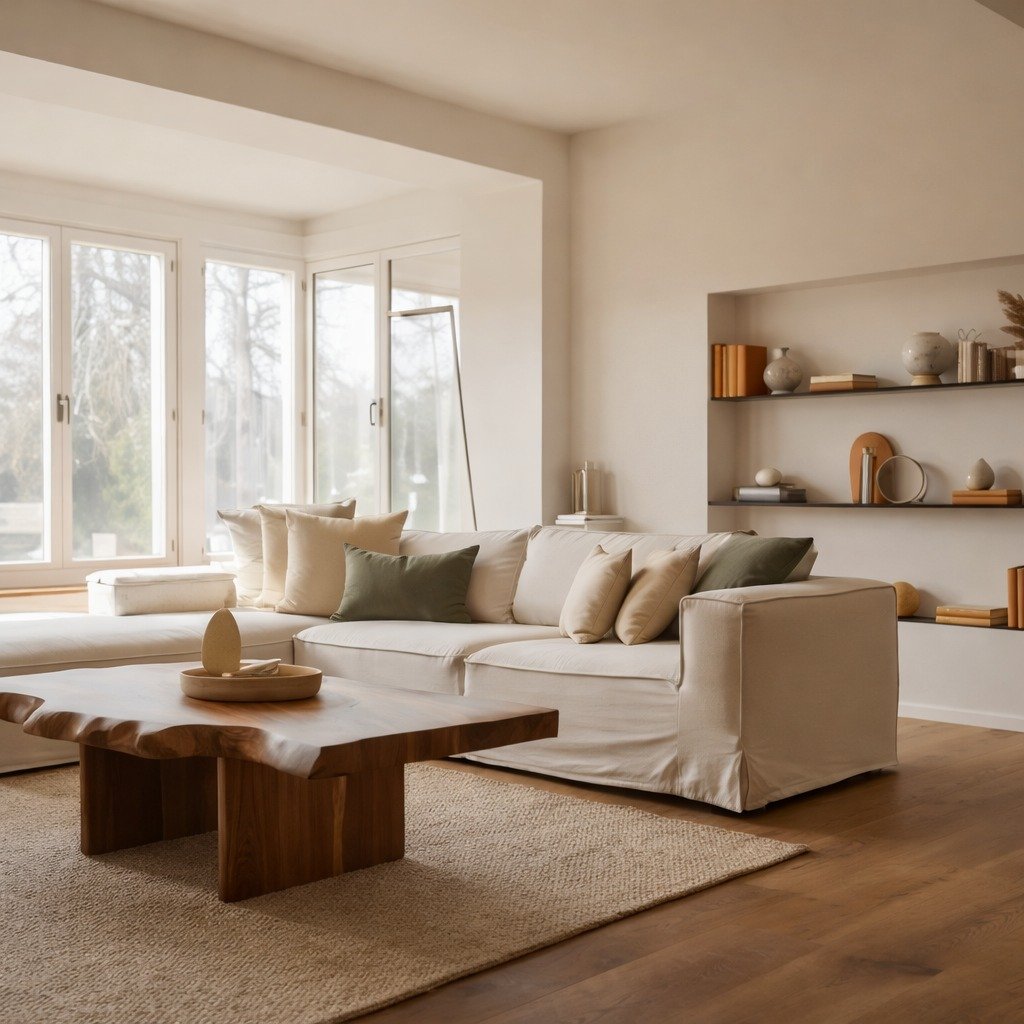
Every morning starts the same way. You wake up, move through your home, and immediately feel rushed. The kitchen feels cramped. Storage never seems enough. Light hits the wrong places. Cleaning takes longer than it should. Nothing is broken, yet nothing truly works.
This is the silent problem many people live with for years. They assume it is normal. They assume a home only needs to look good, not function better. That is where professional interior design quietly changes everything.
Professional interior design is not about luxury or decoration. It is about shaping everyday life. It influences how easily you move, how calm you feel, and how much energy you save each day. When done correctly, it improves comfort without demanding attention.
This article explains how professional interior design transforms everyday living in real, practical ways, far beyond surface beauty.
What Is Professional Interior Design

Professional interior design is the strategic planning and execution of interior spaces to improve function, comfort, and long-term usability, not just appearance.
Many people confuse interior design with decoration. The difference matters.
Interior design vs interior decoration
Interior decoration focuses on finishes, furniture, and styling. Interior design starts much earlier. It considers layout, lighting, circulation, storage, materials, and how people live inside the space.
Decoration can be changed easily. Design decisions shape daily life for years.
What “professional” really means in interior design
A professional interior designer works with structure, not just aesthetics. They analyze lifestyle needs, spatial constraints, and long-term maintenance. They create plans that builders, electricians, and craftsmen can execute accurately.
Professional interior design is measured by how well a space works, not how it photographs.
Why planning matters more than furniture
Furniture can be replaced. Poor planning cannot.
Without proper interior planning, even expensive furniture feels uncomfortable. With good planning, modest pieces feel intentional. This is why professional interior design begins with layout and flow, not shopping lists.
How Interior Design Impacts Daily Comfort and Function
Interior design directly affects how smoothly daily routines flow, from morning movement to evening relaxation.
Comfort is not accidental. It is designed.
Space planning and daily flow
Well-planned spaces reduce unnecessary movement. Doorways align naturally. Pathways stay clear. Rooms feel intuitive to use.
Poor layouts create friction. You walk around furniture. You open doors into obstacles. These small annoyances add stress over time.
Professional interior design removes friction you did not realize existed.
Storage solutions that reduce mental stress
Clutter is not always about having too much. Often, it is about having nowhere logical to put things.
Interior designers plan storage around habits. Daily items stay accessible. Seasonal items disappear cleanly. This reduces visual noise and mental fatigue.
A calm space supports a calm mind.
Furniture placement and usability
Furniture placement is not decoration. It is ergonomics.
Professional interior design ensures seating faces the right direction, tables sit at usable heights, and spaces remain flexible. The result is comfort that feels natural, not forced.
The Psychological Benefits of Well-Designed Interiors
Interior design influences mood, focus, and emotional wellbeing more than most people expect.
Your surroundings shape how you feel.
How colors influence emotions
Color affects energy levels and emotional responses. Warm neutrals promote comfort. Soft tones encourage relaxation. Poor color choices overstimulate or dull spaces unnecessarily.
Professional interior design uses color intentionally, not impulsively.
Lighting and mental wellbeing
Lighting impacts sleep, focus, and mood. Overhead glare creates fatigue. Insufficient lighting creates strain.
Designers layer lighting to support different moments of the day. Task lighting supports work. Ambient lighting creates calm. Accent lighting adds depth without distraction.
Calm interiors vs visual clutter
Visually busy spaces increase mental noise. Calm interiors reduce it.
Professional interior design balances texture, contrast, and negative space. This allows the mind to rest, especially in homes meant for long-term living.
How Professional Interior Design Saves Time and Energy
Good design reduces daily effort, decision-making, and wasted movement.
Time savings come from intention.
Reduced decision fatigue
When a space works, decisions disappear. You know where things go. You know how spaces function.
Professional interior design removes constant micro-decisions that drain energy throughout the day.
Easier cleaning and maintenance
Design choices affect maintenance. Smooth transitions collect less dust. Durable finishes age better. Logical layouts clean faster.
Over time, this saves hours every month.
Smarter layouts for busy lifestyles
Homes should support life stages, not fight them. Interior designers plan for flexibility. Spaces adapt as routines change.
This foresight saves time and frustration later.
Interior Design and Long-Term Cost Savings
Professional interior design reduces costly mistakes and prevents unnecessary replacements.
Cheap decisions are often expensive in the long run.
Avoiding expensive mistakes
Poor lighting, incorrect materials, and rushed layouts lead to rework. Rework costs more than initial planning.
Professional interior design anticipates issues before they become expensive problems.
Durable material selection
Designers choose materials based on wear, maintenance, and longevity. This reduces replacement frequency and repair costs.
Durability is an investment.
Smart investments vs short-term trends
Trends fade quickly. Functional design lasts.
Professional interior design prioritizes timeless solutions that protect property value and reduce regret.
How Professional Interior Designers Approach a Project
Professional interior design follows a structured process that protects quality and clarity.
Design is a system, not inspiration alone.
Initial consultation and lifestyle analysis
Designers begin by understanding how clients live. Routines, preferences, frustrations, and future needs all matter.
This step defines success.
Space planning and layout design
Layouts are tested, refined, and validated. Circulation, proportions, and usability are resolved before finishes are chosen.
This prevents downstream issues.
Material and finish selection
Materials are chosen for performance, not just appearance. Designers consider aging, cleaning, and compatibility.
Every choice has a reason.
Execution and coordination
Professional interior designers coordinate with contractors to ensure plans are executed correctly. This protects the design intent and reduces errors.
Common Interior Design Mistakes Without Professional Help
Many homeowners repeat the same mistakes when designing alone.
Awareness prevents regret.
Poor lighting planning
Lighting is often treated as an afterthought. This creates uncomfortable spaces that cannot be fixed easily.
Ignoring storage needs
Storage added too late feels forced. Integrated storage feels natural.
Trend-driven decisions
Trends date quickly. Without professional guidance, homes age faster than expected.
Budget misallocation
Spending too much on visible items while neglecting fundamentals creates imbalance. Professional interior design prioritizes correctly.
How Sonas Interiors Transforms Everyday Living Spaces
Sonas Interiors focuses on designing spaces that support real life, not just visual impact.
Their approach is thoughtful and process-driven.
Process-driven design philosophy
Sonas Interiors follows structured planning that minimizes surprises. Decisions are validated early, reducing stress during execution.
Focus on timeless interiors
Rather than chasing trends, Sonas Interiors designs spaces that remain relevant and comfortable for years.
Attention to daily usability
Every design decision considers daily routines. Storage, lighting, and flow are planned around real use.
Client-centric approach
Clients are guided, not overwhelmed. Communication remains clear throughout the process, building confidence and trust.
Real-Life Examples of Interior Design Transformation
The impact of professional interior design is most visible in everyday living improvements.
Home layout before and after
Before design intervention, spaces feel fragmented. After planning, rooms connect logically and feel larger without expanding size.
Improved comfort and routine
Clients report easier mornings, calmer evenings, and reduced household stress.
Increased property value
Well-designed interiors enhance perceived and actual property value. Buyers notice quality and coherence.
Better family living experience
Homes designed for function support family interaction, privacy, and flexibility.
Is Hiring a Professional Interior Designer Worth It
For most people, professional interior design pays for itself through improved quality of life.
When it is worth it
Large renovations, long-term homes, and complex layouts benefit most from professional guidance.
When it may not be necessary
Small cosmetic updates may not require full design services.
How to decide for your home
If daily frustrations exist, professional interior design is worth considering.
Frequently Asked Questions
What does a professional interior designer do daily
They plan layouts, coordinate with contractors, review materials, and guide decisions to ensure functional outcomes.
How much does professional interior design cost
Costs vary based on scope, but fees typically reflect time, planning, and coordination involved.
How long does an interior design project take
Projects range from a few months to over a year depending on complexity.
Can interior designers work with existing furniture
Yes. Professionals often integrate existing pieces to preserve familiarity and reduce costs.
Does interior design really improve lifestyle
Yes. Well-designed spaces reduce stress, save time, and support wellbeing.
Conclusion
Professional interior design transforms everyday living by improving how spaces work, feel, and support daily routines. It reduces friction, enhances comfort, and protects long-term value.
Rather than focusing on trends or surface beauty, thoughtful design shapes life quietly and consistently.
Sonas Interiors exemplifies this approach through structured planning, timeless aesthetics, and genuine attention to how people live.
The real question is not whether your home looks good today.
It is whether it supports your life tomorrow.
Does your space work for you, or do you work around it every day?