Walk into most modern offices in Dubai and you’ll notice the same design trends – open layouts, glass partitions, high ceilings, polished floors and minimal finishes. They look impressive. But acoustically? They’re often a challenge.
Sound is one of the most underestimated elements in workspace design. When it’s not managed properly, productivity drops, meetings become harder to follow, and the overall environment feels tense or distracting.
That’s where acoustic panels make a real difference.
Understanding the Problem: Why Offices Get Noisy
In simple terms, sound behaves like a bouncing ball. When voices or background noise hit hard surfaces like glass, marble, concrete or metal, they reflect back into the room. The more hard finishes you have, the more sound continues to bounce around.
This creates:
- Echo and reverberation
- Poor speech clarity in meeting rooms
- Distractions in open-plan areas
- A constant “background buzz”
In Dubai, many commercial spaces prioritise sleek architectural finishes – which look great but naturally amplify sound issues.
What Are Acoustic Panels?
Acoustic panels are specially engineered materials designed to absorb sound rather than reflect it.
Instead of allowing sound waves to bounce around a space, these panels capture and dampen them within porous, high-density materials. The result is a noticeable reduction in echo and overall noise levels.
They can be installed in various ways:
- Wall-mounted panels
- Ceiling baffles or floating “clouds”
- Decorative feature panels
- Desk partitions and privacy screens
The key is not just adding panels randomly – it’s placing them strategically where sound reflections are strongest.
How Acoustic Panels Improve Office Performance
- Better Focus in Open Workspaces
In open-plan offices, even moderate conversation noise can break concentration. By reducing reverberation, acoustic panels create a calmer, more controlled sound environment. Employees can focus longer without fatigue.
- Clearer Meetings and Presentations
Have you ever sat in a boardroom where voices feel slightly echoey or difficult to follow? That’s excessive reverberation. Acoustic treatment improves speech intelligibility, making discussions smoother and more professional.
- Enhanced Privacy
In coworking areas or collaborative spaces, sound can travel further than expected. Acoustic panels help contain conversations, improving privacy between departments or teams.
- Improved Well-Being
Noise doesn’t just affect productivity – it affects stress levels. A quieter, balanced space feels more comfortable and controlled. Over time, this contributes to higher employee satisfaction and performance.
Why Acoustic Solutions Are Especially Important in Dubai
Dubai offices often feature:
- Floor-to-ceiling glass
- Polished marble or tiled flooring
- Open ceilings and exposed services
- Large collaborative layouts
- While visually striking, these elements increase sound reflection.
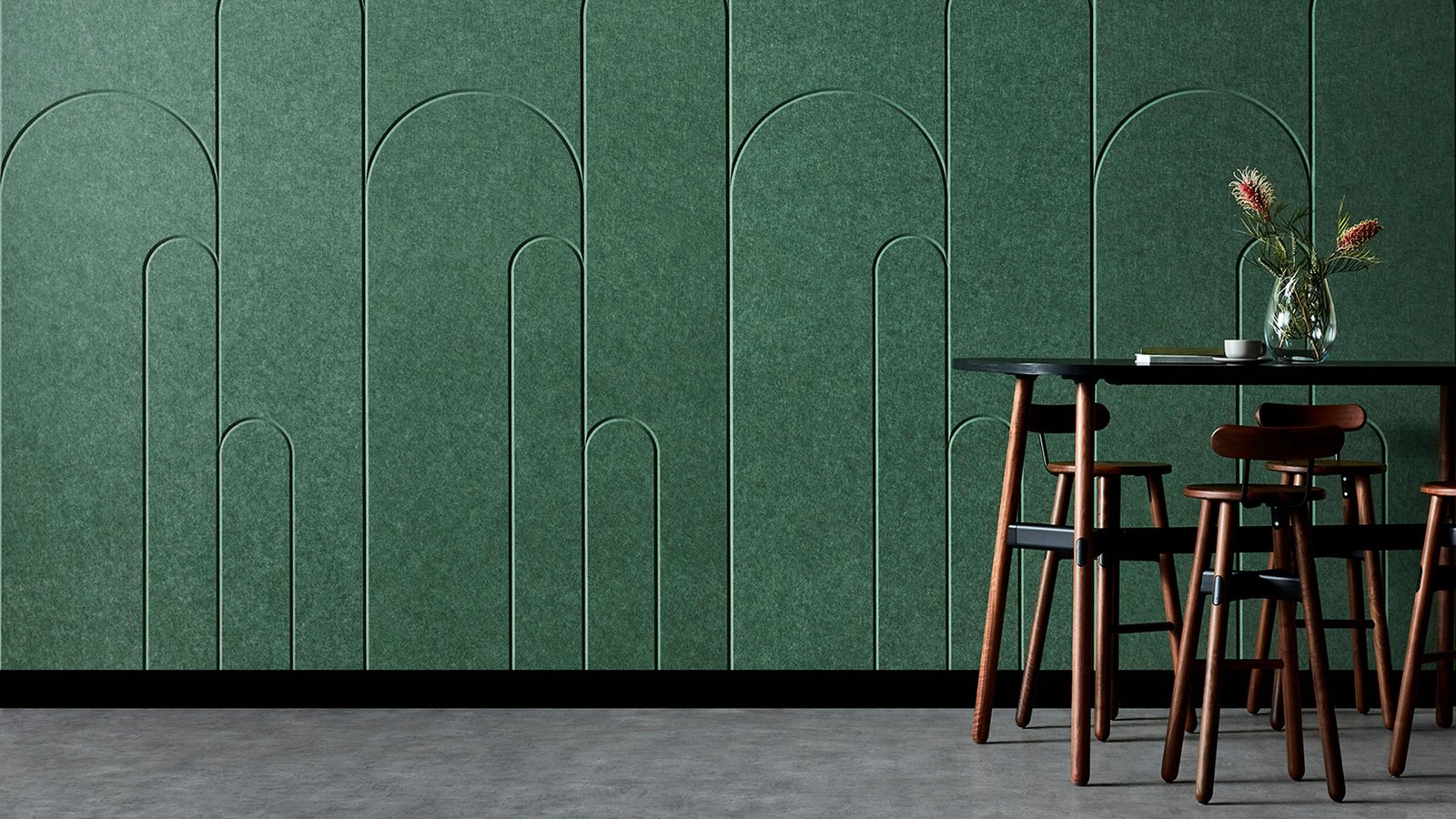
Acoustic panels allow you to keep the clean architectural look while solving the sound problem discreetly. Modern panels can be integrated into feature walls, brand colours, ceiling designs, and even lighting concepts – making them part of the design rather than an afterthought.
It’s Not Just About Panels – It’s About Strategy
Effective acoustic design isn’t about covering every wall. It’s about understanding:
- Room dimensions
- Surface materials
- Ceiling height
- Occupancy levels
- Noise sources
A professional acoustic approach ensures the right balance between absorption, design, and functionality.
Final Thoughts
A well-designed office shouldn’t just look good – it should sound good too.
Acoustic panels are one of the most effective and practical ways to improve workplace comfort, communication and productivity. In a competitive business environment like Dubai, small environmental improvements can make a significant difference to how teams perform.
If you’re planning a new office fit-out or looking to improve an existing space, considering acoustics early in the design process can save time, cost and frustration later.
At Sonas Interiors, we specialise in integrating acoustic solutions seamlessly into modern workspace design – ensuring performance and aesthetics work together.